
Industrial networking
Plant networks that keep every PLC, drive, panel and SCADA server talking: designed for electrical noise, long distances and the heat and dust of a working factory.
The network behind the plant
Modern automation depends on industrial networking. PLCs talk to remote I/O, drives, HMIs and the SCADA server over Ethernet, and when the network is unreliable the whole plant becomes unreliable. Our industrial networking in Pakistan covers design, installation and repair of plant networks, from industrial Ethernet switches and fibre optic backbones to secure PLC remote access, built for the conditions factories really work in.
What we do
Protocols
- PROFINET for Siemens S7-1200 / S7-1500 systems, remote I/O and SINAMICS drives.
- EtherNet/IP for Allen-Bradley ControlLogix and CompactLogix.
- Modbus TCP and RTU for energy meters, older drives and third-party devices.
- Protocol gateways where the two worlds have to meet.
Design and installation
Network drawings and IP plans, managed industrial switches, ring topologies for redundancy, fibre runs between buildings, and correct cable routing away from VFD motor cables.
Segmentation and security
VLANs and firewalls that keep the control network apart from the office network, following the zone-and-conduit idea in IEC 62443, so a virus on an office laptop cannot stop production.
Secure remote access
An industrial VPN router lets us, or your own engineers, connect to a PLC from anywhere to diagnose a fault, often getting the plant running again before anyone could have driven to site.
Troubleshooting
Random communication drops, slow SCADA updates and devices that vanish from the network. We check cabling, earthing, switch load and addressing until the cause is found.
FAQ
Straight answers to what plant owners and engineers ask us most.
Why do our PLCs lose communication at random?
Common causes are unshielded or badly earthed cables running next to drive cables, unmanaged switches overloaded with traffic, duplicate IP addresses, and loose connectors in vibrating areas. A short network survey usually finds the cause.
Is remote access to our PLCs safe?
It can be, when done properly: a dedicated industrial VPN router, separate user accounts, access only when you enable it, and the plant network separated from the office network. We never put a PLC directly on the internet.
When should we use fibre instead of copper?
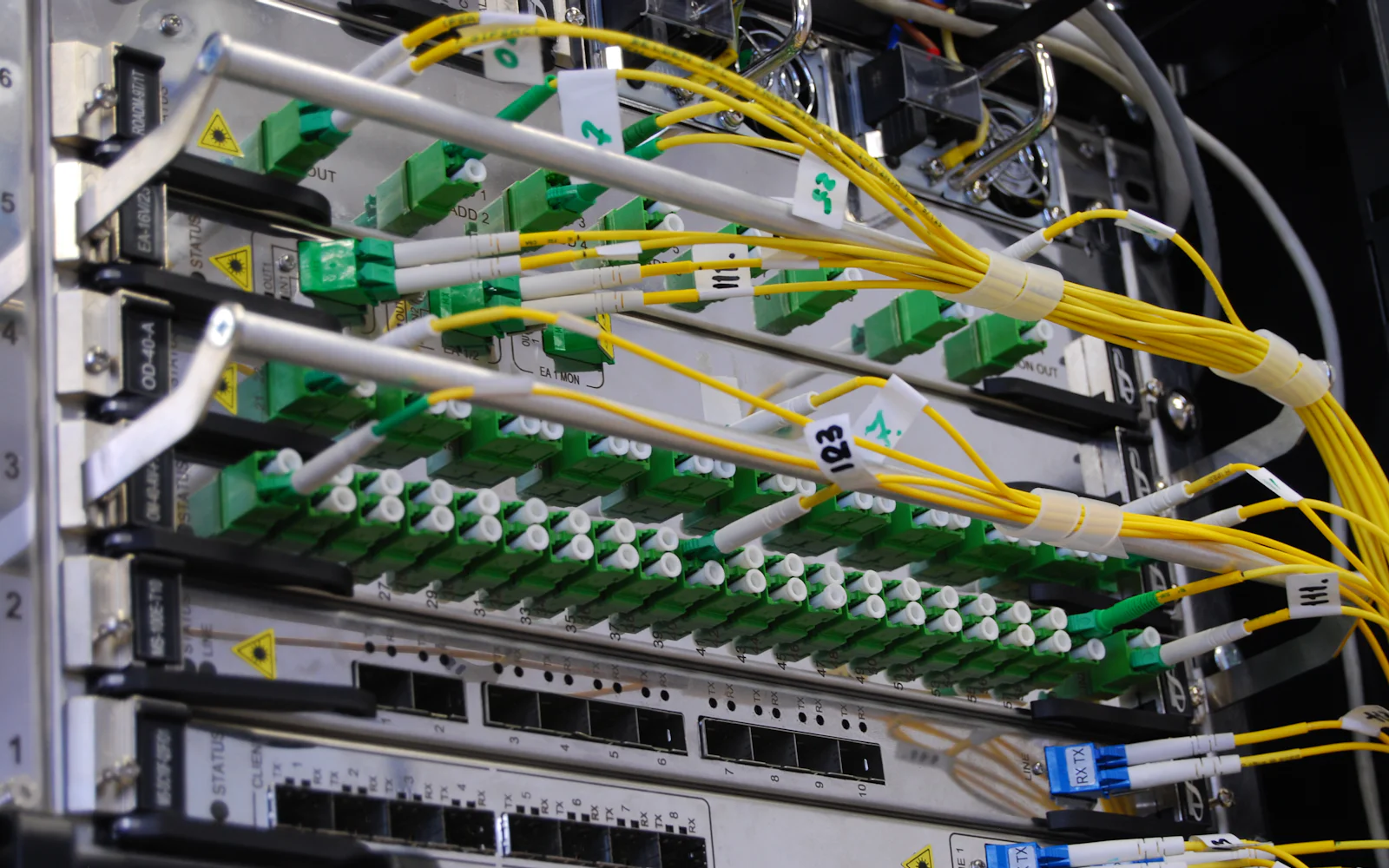
Copper Ethernet is limited to 100 m per run and picks up interference near large motors and drives. Fibre is the right choice for long runs between buildings and for routes through high-noise areas.

Machine down or planning an upgrade?
Send us the PLC model and the problem. We reply within one working day.